
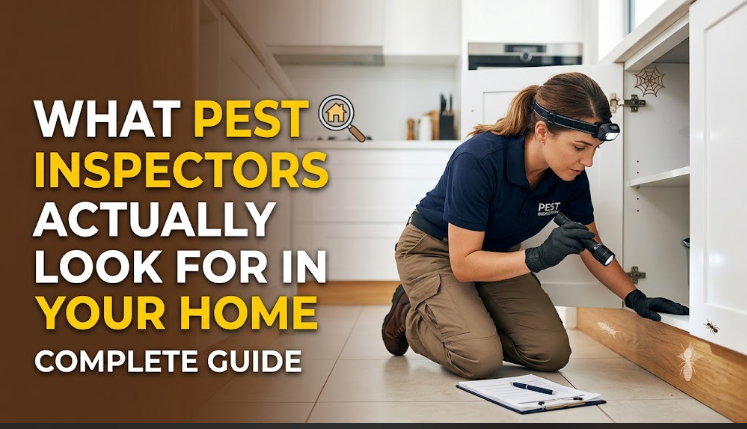
What Pest Inspectors Actually Look For in Your Home: Complete Guide
When a pest inspector visits your home, they are not simply looking for visible bugs. A professional pest inspection is much more detailed than checking a few corners for ants, cockroaches, or termites. Inspectors look for the conditions that allow pests to enter, hide, feed, reproduce, and damage your property.
Whether you are buying a new house, selling your property, dealing with unexplained pest activity, or simply trying to protect your home, understanding what pest inspectors actually look for can help you identify problems before they become expensive repairs.
Pests often remain hidden behind walls, under floors, inside cabinets, around plumbing, or in roof spaces. That is why a trained inspector focuses not only on live pests but also on evidence of infestation and the environmental conditions that attract them.
In this guide, we will explain what a pest inspector checks during a typical inspection, the warning signs they look for, areas homeowners frequently overlook, and what you can do before an inspection.
What Is a Pest Inspection?
A pest inspection is a systematic examination of a property for signs of insects, rodents, termites, and other unwanted organisms.
Depending on the property and the type of inspection, a professional may look for:
- Termite activity
- Wood-destroying insects
- Ant infestations
- Cockroaches
- Rodents and mice
- Wasps and other stinging insects
- Moisture-related pest problems
- Evidence of previous infestations
- Entry points that allow pests inside
- Conditions that encourage pest activity
- Damage caused by insects or rodents
The goal is not simply to find a pest. A good inspection also tries to determine why pests are present and where they may be coming from.
1. Signs of Termites and Wood Damage
One of the biggest concerns during many residential pest inspections is termite activity.
Termites can remain hidden for long periods while damaging wooden structures. An inspector may therefore examine areas where termites commonly travel or establish colonies.
They may look for:
- Mud tubes on foundations or walls
- Hollow-sounding wood
- Damaged timber
- Small holes in wooden structures
- Cracked or blistered wood surfaces
- Discarded wings
- Termite droppings
- Damaged flooring
- Signs of moisture around wooden structures
Inspectors may pay particular attention to areas where wood comes into contact with soil or where moisture is present.
Importantly, the absence of visible termites does not always mean that a property is termite-free. Some infestations are hidden inside walls, floors, ceilings, or structural timber.
Why Moisture Matters
Moisture can make certain parts of a property more attractive to termites and other pests.
Leaking pipes, poor drainage, blocked gutters, and water accumulation around foundations can create conditions that support pest activity.
That is why a pest inspector may pay close attention to plumbing and drainage areas rather than looking only for insects.
2. Moisture and Water Leaks
Water problems are closely connected to pest problems.
During an inspection, professionals may look for signs of:
- Leaking pipes
- Damp walls
- Water stains
- Condensation
- Poor drainage
- Standing water
- Wet crawl spaces
- Leaking roofs
- Damaged seals around plumbing fixtures
Why is this important?
Many pests prefer damp environments. Cockroaches, ants, termites, mosquitoes, rodents, and other pests can take advantage of moisture problems.
A small plumbing leak that seems harmless to a homeowner can create an environment that attracts pests over time.
3. Cracks, Gaps, and Other Entry Points
Pests do not need a large opening to enter your home.
A small crack around a window, door, pipe, vent, or foundation can become an entry point for insects and rodents.
Inspectors commonly check:
- Door gaps
- Window frames
- Foundation cracks
- Wall penetrations
- Pipe openings
- Utility entrances
- Roof vents
- Garage doors
- Screens
- Exterior gaps
They may also look at the condition of weather stripping and door sweeps.
If a home has multiple untreated entry points, pest problems can continue even after an infestation has been treated.
This is why pest prevention is often about more than applying pesticides. Exclusion—blocking pest entry points—is an important part of long-term pest management.
4. The Kitchen and Food Storage Areas
Kitchens are naturally attractive to many household pests because they provide food, water, warmth, and hiding places.
During an inspection, professionals may examine:
- Under sinks
- Behind refrigerators
- Around dishwashers
- Inside cabinets
- Around plumbing
- Pantry areas
- Garbage storage areas
- Cracks around countertops
- Areas behind appliances
They may look for droppings, insect bodies, egg cases, grease marks, nesting material, or other evidence of pest activity.
Even crumbs and food residue that are difficult to notice during everyday cleaning can provide food sources for certain pests.
5. Bathrooms and Plumbing Areas
Bathrooms are another important inspection area because they combine moisture, warmth, and potential entry points.
An inspector may check:
- Around toilets
- Under bathroom sinks
- Around bathtubs
- Shower areas
- Plumbing penetrations
- Cabinets
- Floor edges
- Ventilation areas
- Signs of leaks or water damage
A persistent moisture problem can make a bathroom more attractive to certain insects.
Poor ventilation can also contribute to condensation and damp conditions.
6. Attics and Roof Spaces
Many homeowners rarely enter their attic, which makes it an attractive hiding place for pests.
Depending on accessibility and inspection scope, a pest inspector may check the attic or roof space for:
- Rodent droppings
- Nests
- Chewed insulation
- Damaged wiring
- Insect activity
- Dead pests
- Entry holes
- Roof damage
- Moisture
- Bird nesting activity
Rodents can cause problems beyond contamination. They may chew electrical cables, damage insulation, and create nesting areas.
Inspectors may also examine roof penetrations and vents because damaged or poorly screened openings can provide easy access for wildlife and insects.
7. Basement, Crawl Spaces, and Foundations
Lower areas of a property can provide ideal conditions for pests because they are often dark, quiet, and humid.
Inspectors may examine:
- Foundation walls
- Wooden beams
- Crawl spaces
- Basement corners
- Pipes
- Drainage areas
- Storage spaces
- Cracks
- Soil-to-wood contact
- Moisture levels
These areas are particularly important when checking for termites and other wood-destroying organisms.
If wooden structural components are close to soil or exposed to persistent moisture, an inspector may consider them potential risk areas.
8. Droppings and Other Pest Evidence
You do not necessarily need to see a live pest for an inspector to identify a potential problem.
Professionals may look for physical evidence such as:
- Rodent droppings
- Cockroach droppings
- Insect skins
- Egg cases
- Shed wings
- Nesting material
- Chewed materials
- Gnaw marks
- Grease or rub marks
- Dead insects
- Mud tubes
- Damaged wood
The location of these signs can help an inspector determine where pest activity may be occurring.
For example, repeated droppings behind an appliance could suggest that the area is being used as a hiding or travel location.
9. Rodent Activity
Rodents can enter homes through surprisingly small openings.
During a pest inspection, professionals may look for:
- Droppings
- Gnaw marks
- Nests
- Damaged insulation
- Scratching evidence
- Chewed wires
- Food damage
- Holes around pipes
- Gaps around doors
- Exterior entry points
They may inspect both indoor and outdoor areas because rodents can enter from the exterior and establish nests inside walls, attics, garages, or other protected spaces.
One of the most important things inspectors look for is the pathway between the outside environment and the interior of the home.
10. Exterior Areas Around Your Home
A pest inspection does not necessarily stop at the front door.
The exterior of your property can reveal important information about potential pest problems.
Inspectors may check:
- Foundation walls
- Landscaping
- Trees and shrubs
- Firewood storage
- Outdoor furniture
- Garbage containers
- Drainage
- Gutters
- Downspouts
- Standing water
- Fences and structures
- Soil conditions
Vegetation growing directly against a house can create hiding places and sometimes make inspection of exterior walls more difficult.
Firewood stored close to the home can also provide shelter for insects and may increase the likelihood of pest activity near the structure.
11. Garages and Storage Areas
Garages are often overlooked during routine cleaning, making them attractive to rodents and insects.
Inspectors may examine:
- Boxes
- Stored furniture
- Wood piles
- Cardboard
- Tools
- Garage walls
- Door seals
- Corners
- Ceiling areas
- Stored food or pet food
Clutter can provide pests with shelter and make early signs of infestation difficult to notice.
Keeping storage areas organized can make inspections easier and help homeowners identify problems earlier.
12. Landscaping and Drainage Problems
Your yard can have a major influence on pest activity around your home.
Inspectors may look for:
- Standing water
- Poorly directed downspouts
- Overgrown vegetation
- Tree branches touching the building
- Excessive mulch
- Decaying wood
- Wet soil
- Debris near the foundation
Poor drainage can create moisture around the property, while vegetation and debris can provide shelter for insects and rodents.
Correcting these environmental conditions can sometimes be just as important as treating the pests themselves.
13. Previous Pest Treatments
A professional inspector may also look for evidence that a property has previously experienced pest problems.
This can include:
- Old bait stations
- Previous termite treatment areas
- Repaired damage
- Pest-control equipment
- Sealed holes
- Previous chemical treatment indicators
- Old nests or insect evidence
If you have records of previous pest treatments, keeping them available can be useful.
Past pest activity does not automatically mean that an infestation is currently active, but historical information can help provide context.
14. Conditions That Attract Pests
Professional pest inspectors are not only searching for pests. They are also looking for risk factors.
Some common conditions include:
Food Sources
Unsealed food, crumbs, garbage, pet food, and organic waste can attract insects and rodents.
Water Sources
Leaking faucets, pipes, condensation, and standing water can provide the moisture pests need.
Shelter
Clutter, cardboard, wood piles, vegetation, and wall voids can provide hiding places.
Warmth
Certain pests prefer warm, protected areas, particularly during colder seasons.
Easy Access
Cracks, gaps, damaged screens, and openings around pipes can allow pests to enter.
Understanding these four basic needs—food, water, shelter, and access—can help explain why some homes experience recurring pest problems.
What Pest Inspectors Usually Don’t Do
It is also important to understand that a pest inspection is not necessarily the same as a complete building inspection.
A pest inspector may identify evidence of pest activity and conditions associated with pest problems, but the exact scope depends on the service and local requirements.
For example, an inspector may notice signs of moisture damage but may recommend that a qualified plumber or building professional investigate the underlying problem.
Similarly, structural damage discovered during a pest inspection may require assessment by an appropriately qualified building professional.
Always ask what is included in the inspection before booking the service.
How to Prepare Your Home for a Pest Inspection
You do not need to make your home perfect before an inspection. However, a little preparation can help the inspector access important areas.
1. Reduce Clutter
Move unnecessary items away from walls and inspection areas where possible.
2. Clean Food Areas
Clean crumbs and food residue from kitchens and storage areas.
3. Make Important Areas Accessible
Ensure that areas such as garages, utility spaces, and accessible storage areas can be inspected.
4. Fix Obvious Leaks
If you already know about a leaking pipe or faucet, consider repairing it.
5. Trim Excessive Vegetation
Keep plants and shrubs from completely covering exterior walls and inspection areas.
6. Keep Pest Treatment Records
If the property has previously been treated, provide relevant documentation to the inspector.
7. Mention Anything You Have Noticed
Tell the inspector about unusual sounds, unexplained damage, insects you have seen, droppings, or areas where you suspect pest activity.
Your observations can help the inspector focus on potential problem areas.
Questions to Ask a Pest Inspector
Before or after an inspection, consider asking:
- What type of pest evidence did you find?
- Is the activity current or historical?
- Where is the suspected source?
- What conditions are attracting pests?
- Are there accessible areas that could not be inspected?
- Is there visible structural damage?
- What repairs should be addressed?
- Is professional treatment recommended?
- What preventive measures should be taken?
- When should the property be inspected again?
A detailed inspection report should help you understand not only what was found, but also where it was found and what actions may be appropriate.
How Often Should You Have a Pest Inspection?
There is no single schedule that works for every property.
Inspection frequency can depend on factors such as:
- Property age
- Location
- Local pest activity
- Previous infestations
- Moisture problems
- Landscaping
- Construction type
- Whether the property is being bought or sold
- Previous termite or pest activity
Homeowners who have experienced recurring pest problems may benefit from more frequent professional inspections.
If you are buying a property, a pest inspection can also provide useful information about potential pest-related risks before completing the purchase.
Common Pest Inspection Mistakes Homeowners Make
Many homeowners wait until they see a large number of insects before taking action.
That can be a mistake.
Other common issues include:
Ignoring small signs: One or two droppings, damaged pieces of wood, or discarded insect wings may deserve attention.
Focusing only indoors: Many pest problems originate outside the house.
Ignoring moisture: Persistent dampness can create conditions that support pest activity.
Storing firewood against the house: Wood piles close to the building can provide shelter for insects.
Leaving entry points unsealed: Treating an infestation without addressing how pests enter can lead to recurring problems.
Assuming a clean house cannot have pests: Cleanliness helps reduce certain food sources, but pests can still enter homes through structural openings or other pathways.
What Happens After a Pest Inspection?
After completing the inspection, the professional may provide a report describing their observations.
Depending on what was found, recommendations could include:
- Pest treatment
- Sealing entry points
- Improving drainage
- Repairing leaks
- Removing infested materials
- Reducing clutter
- Changing storage practices
- Improving ventilation
- Monitoring the property
- Scheduling a follow-up inspection
The appropriate solution depends on the pest, the extent of activity, and the conditions found at the property.
It is important to address the underlying conditions whenever possible. Otherwise, pest activity may return after treatment.
Final Thoughts: What Pest Inspectors Actually Look For
So, what do pest inspectors actually look for in your home?
They look far beyond visible insects.
A professional inspection can involve examining wood damage, moisture, entry points, droppings, nests, structural areas, kitchens, bathrooms, attics, crawl spaces, foundations, garages, landscaping, drainage, and other conditions that can support pest activity.
The most valuable part of an inspection is often discovering a problem before it becomes obvious.
A few small signs today could indicate a larger issue developing behind the scenes. Regular inspections, good sanitation, moisture control, proper maintenance, and sealing potential entry points can all help reduce pest risks.
If you suspect termites, rodents, cockroaches, ants, or another pest problem, don’t wait until the evidence becomes impossible to ignore. A qualified pest professional can assess the property, identify signs of activity, and explain the appropriate next steps.
Frequently Asked Questions
What does a pest inspector check first?
A pest inspector generally begins by assessing accessible areas of the property and looking for visible evidence of pest activity, damage, moisture, entry points, and conditions that could support an infestation.
Do pest inspectors look inside walls?
Usually, inspectors do not open walls simply to search for pests unless the inspection scope specifically allows invasive investigation. Instead, they may look for visible evidence or conditions suggesting activity inside wall cavities.
Can a pest inspection find termites?
A professional inspection can identify visible signs and conditions associated with termite activity, but hidden infestations may not always be detectable without additional investigation.
What should I do before a pest inspection?
Reduce clutter, make accessible areas easy to inspect, clean food-storage areas, address obvious leaks where possible, and tell the inspector about any pest activity or unusual signs you have noticed.
Does a clean house still need pest inspections?
Yes. Cleanliness can reduce certain food sources, but pests can enter through cracks, gaps, plumbing openings, roof spaces, and other pathways. Some pests can also remain hidden for long periods.
How long does a pest inspection take?
The duration varies depending on the size, construction, accessibility, and condition of the property, as well as the type of inspection being performed.
What happens if pests are found?
The inspector will typically document the findings and may recommend treatment, monitoring, repairs, exclusion measures, moisture control, or further investigation depending on the situation.